Popular campsites can fill up quickly, especially during weekends and holidays, so you want to make sure you have the best experience.
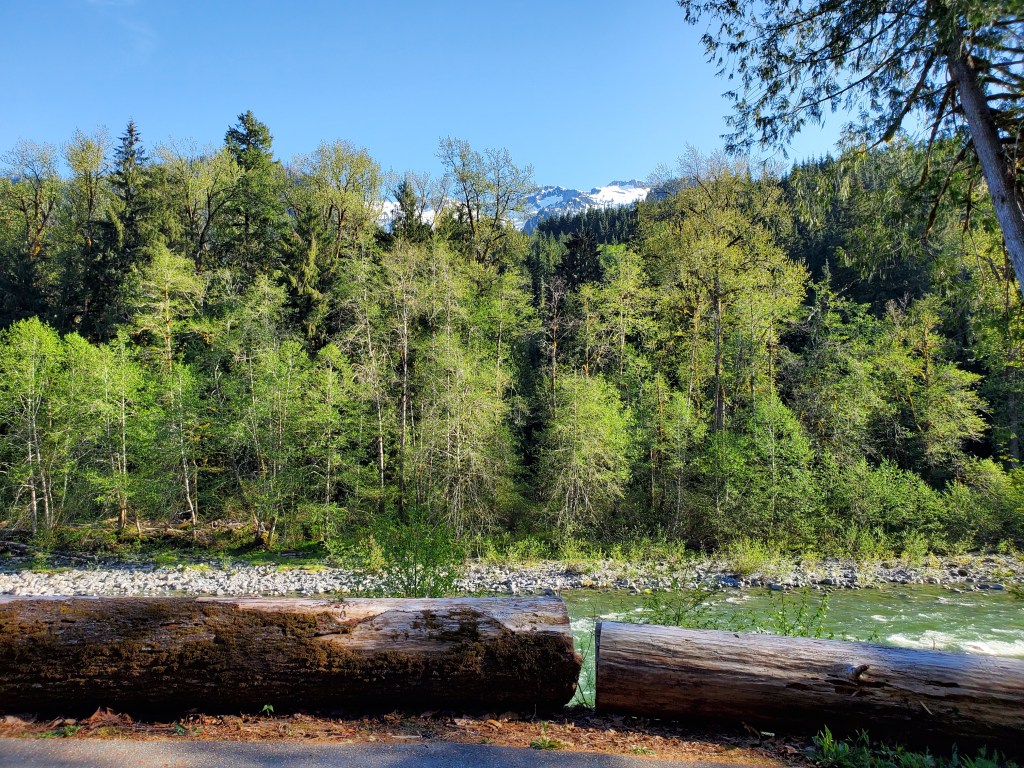
While planning for your camping trip, try to gather information about the layout, amenities, and features of the site. Look for maps or campground websites that provide details about individual campsites (https://www.campsitephotos.com is a good reference). Consider your needs: Determine what is important to you and your group. Are you looking for a quiet spot away from other campers? Do you need access to amenities like restrooms or water sources? Identifying your specific requirements will help you narrow down your choices.
Here are some quick tips to pick the best place on a campsite while you are making the plans for your trip:
What to look for:
Natural features and views: Look for campsites with scenic views, such as mountains, lakes, or forests. Being surrounded by natural beauty can enhance your camping experience.
Privacy and noise: Evaluate the level of privacy you desire. Some campsites may be more secluded, while others may be closer to communal areas. Consider your preference for privacy and whether you want to be close to or away from other campers.
Proximity to amenities: If you need access to restrooms, showers, water sources, or other amenities, choose a spot that is conveniently located nearby. However, keep in mind that campsites closer to amenities may be more crowded and noisier.
Shade and sun exposure: Consider the position of the sun throughout the day, especially now that summers are getting warmer and drier. If you prefer cooler temperatures, look for a spot with ample shade provided by trees or other natural features. If you enjoy waking up with the morning sun, choose a spot that receives early sunlight.
Places to avoid:
High traffic areas: Places where cars make turns, and you have the risk of getting the beam lights. This is especially important at night when some people like to leave the campsite at odd hours, and you don’t want to be bothered by the light beam.
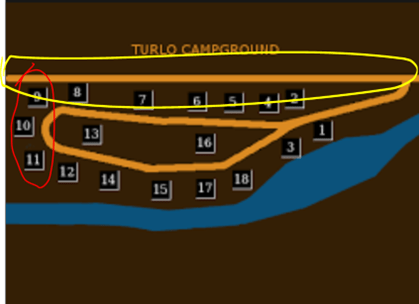
Proximity to communal areas: While it may be convenient to camp near communal areas such as restrooms, picnic areas, or playgrounds, keep in mind that these areas tend to be busier and noisier. If you prefer a quieter camping experience, consider choosing a spot farther away from these high-traffic areas.
Another place to avoid is sites close to busy avenues (highlighted in yellow). Avoid camping too close to busy roads, hiking trails, or other high-traffic areas. These locations can be noisy, disruptive, and may compromise your privacy and tranquility. Usually, it becomes busy and noisy at certain times of the day, and you can easily avoid this situation.
Close proximity to other campers: If you value privacy and tranquility, it’s best to choose a spot that is not too close to other campers. Camping too close to others can result in noise disturbances, lack of privacy, and potential conflicts.
By considering these factors and doing some preliminary research, you’ll be able to select a campsite that suits your needs and preferences, ensuring a memorable and enjoyable camping experience. Remember, it’s important to adhere to any campground rules and regulations and respect the environment and other campers. By avoiding these undesirable areas, you can ensure a safer, more enjoyable camping experience.

 Demystifying camping and outdoor life in the PNW
Leave a reply to Effortless Washington State Campsite Booking Guide – Demystifying camping and outdoor life in PNW Cancel reply